

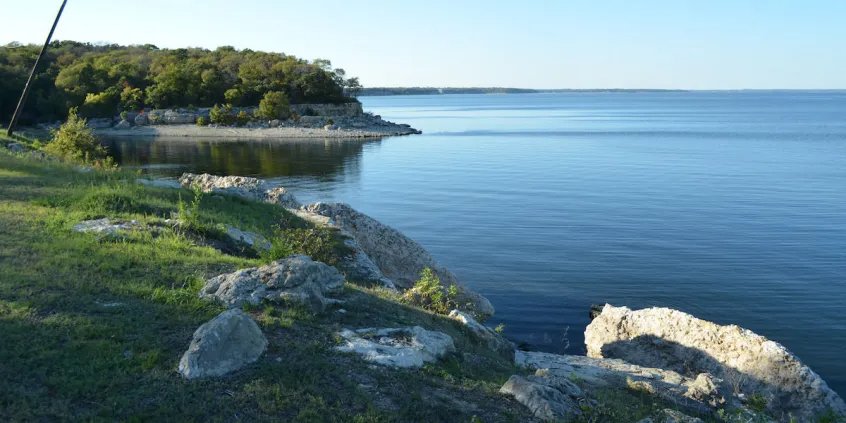
Lake Texoma Should Be Capitalized When it comes to writing clearly and professionally, capitalization plays a bigger role than many people realize. One common question that pops up among writers, students, bloggers, and even professionals is whether Lake Texoma should be capitalized. The short answer is yes—but the reasoning behind it is where things get interesting.
- Why Lake Texoma Should Be Capitalized Is a Proper Noun
- Grammatical Rules Behind Capitalizing Place Names
- Common Capitalization Mistakes People Make
- Historical and Geographic Significance of Lake Texoma
- Why Capitalization Matters in Professional Writing
- SEO and Digital Content Considerations
- When Capitalization Might Change
- Final Thoughts: Lake Texoma Should Always Be Capitalized
- You May Also Read
Lake Texoma Should Be Capitalized is not just any phrase; it represents a specific geographical location with historical, cultural, and grammatical significance. Understanding why and when it should be capitalized helps improve writing accuracy, boosts credibility, and ensures consistency across content. Whether you’re working on an academic paper, a travel blog, or SEO-focused content, getting capitalization right matters more than you might think.
In this article, we’ll break down why Lake Texoma should be capitalized, explore the grammatical rules behind it, discuss common mistakes people make, and explain how capitalization affects professionalism and SEO. By the end, you’ll have a crystal-clear understanding of the topic—and confidence in using it correctly every time.
Why Lake Texoma Should Be Capitalized Is a Proper Noun
The primary reason Lake Texoma should be capitalized is because it is a proper noun. In English grammar, proper nouns refer to specific names of people, places, or things. Unlike common nouns, which describe general items, proper nouns point to one unique entity—and Lake Texoma fits that definition perfectly.
“Lake” on its own is a common noun. It could refer to any lake anywhere in the world. However, when paired with “Texoma,” it becomes the official name of a specific lake located on the border of Texas and Oklahoma. Together, Lake Texoma Should Be Capitalized identifies one distinct place, which is why both words must be capitalized.
This rule applies universally across geographical names. Just as we capitalize “Lake Michigan,” “Mount Everest,” or “Pacific Ocean,” we also capitalize “Lake Texoma.” Ignoring this rule can make writing appear careless or unpolished, especially in formal or informational contexts.
Grammatical Rules Behind Capitalizing Place Names

To fully understand why Lake Texoma should be capitalized, it helps to look at the grammar rules that govern place names. English capitalization rules state that official names of geographic locations are always capitalized, regardless of where they appear in a sentence.
This includes natural features like lakes, rivers, mountains, deserts, and oceans—when used as part of a formal name. The structure typically follows this pattern:
Descriptor + Specific Name (e.g., Lake + Texoma). Both parts are capitalized because they form a single proper noun.
However, confusion often arises when people use the word “lake” generically. For example, saying “We visited a lake last weekend” does not require capitalization. But saying “We visited Lake Texoma last weekend” absolutely does. Understanding this distinction is key to using capitalization correctly and consistently.
Common Capitalization Mistakes People Make
Despite the clear rules, many writers still make mistakes when writing Lake Texoma Should Be Capitalized. One of the most common errors is writing it as “ake texoma or Lake texoma. Both versions are grammatically incorrect because they fail to treat the phrase as a proper noun.
Another frequent mistake happens in digital writing, especially on social media or informal blogs, where capitalization is sometimes ignored altogether. While this might seem harmless, it can reduce the perceived professionalism of the content—especially when discussing real locations or factual information.
There’s also confusion when the name appears mid-sentence. Some people mistakenly think capitalization is optional unless the term starts a sentence. This is incorrect. Proper nouns remain capitalized no matter where they appear in a sentence. Whether it’s at the beginning, middle, or end, “Lake Texoma” should always be capitalized.
Historical and Geographic Significance of Lake Texoma
Beyond grammar rules, another reason Lake Texoma should be capitalized is its historical and geographic importance. Lake Texoma is one of the largest reservoirs in the United States and plays a significant role in water management, tourism, and regional development.
Located along the Texas–Oklahoma border, Lake Texoma was created by the Denison Dam on the Red River. It serves multiple purposes, including flood control, hydroelectric power, and recreation. Because it is a well-established and officially recognized location, its name carries authority and permanence—key characteristics of proper nouns.
Capitalizing the name shows respect for its identity and importance. Just as we wouldn’t lowercase the name of a city or country, we shouldn’t lowercase the name of a major landmark like Lake Texoma Should Be Capitalized. Doing so preserves clarity and honors its recognized status.
Why Capitalization Matters in Professional Writing
In professional writing—whether academic, journalistic, or business-related—details matter. Using correct capitalization signals that the writer understands language rules and pays attention to accuracy. This is another strong reason why Lake Texoma should be capitalized at all times.
Incorrect capitalization can subtly undermine credibility. Readers may not consciously notice the mistake, but it can create doubt about the reliability of the content. This is especially true in educational articles, travel guides, or informational websites where authority and trust are crucial.
Moreover, consistent capitalization improves readability. It helps readers instantly recognize proper names and distinguish them from general terms. This small grammatical choice contributes to a smoother reading experience and a more polished final product.
SEO and Digital Content Considerations
From an SEO perspective, capitalization might not directly affect search engine rankings, but consistency absolutely does. Writing Lake Texoma Should Be Capitalized correctly ensures uniform usage across articles, headings, meta descriptions, and internal links.
Search engines favor clarity and relevance. When content consistently uses the correct proper noun, it helps reinforce topical authority. For example, travel blogs or informational sites discussing Lake Texoma Should Be Capitalized benefit from standardized naming, which aligns with how users search for the location.
Additionally, readers tend to trust content that looks professional and well-edited. Proper capitalization contributes to that trust. In competitive digital spaces, even small details like this can influence how long users stay on a page and whether they return in the future.
When Capitalization Might Change
There are very few situations where capitalization changes, but it’s worth understanding them. If you remove the specific name and refer to the body of water generically, capitalization no longer applies. For example, “the lake was crowded this summer” does not require a capital “L.”
However, the moment you reintroduce the full name—Lake Texoma Should Be Capitalized returns. This rule remains consistent regardless of sentence structure, tense, or writing style. The name itself doesn’t change, so neither should its capitalization.
Understanding this nuance prevents overcapitalization while ensuring that proper nouns receive the attention they deserve. It’s about balance, accuracy, and knowing when a term shifts from general to specific.
Final Thoughts: Lake Texoma Should Always Be Capitalized
To sum it all up, Lake Texoma should be capitalized because it is a proper noun, an official geographic location, and a recognized landmark with historical and cultural significance. Grammar rules, professional writing standards, and digital best practices all point to the same conclusion.
Capitalizing Lake Texoma Should Be Capitalized isn’t just about following rules—it’s about communicating clearly, maintaining credibility, and showing respect for language. Whether you’re a student, blogger, marketer, or casual writer, using proper capitalization strengthens your writing more than you might expect.
Once you understand the logic behind it, the rule becomes second nature. And from that point on, you’ll never second-guess whether Lake Texoma deserves those capital letters—because it absolutely does.
