
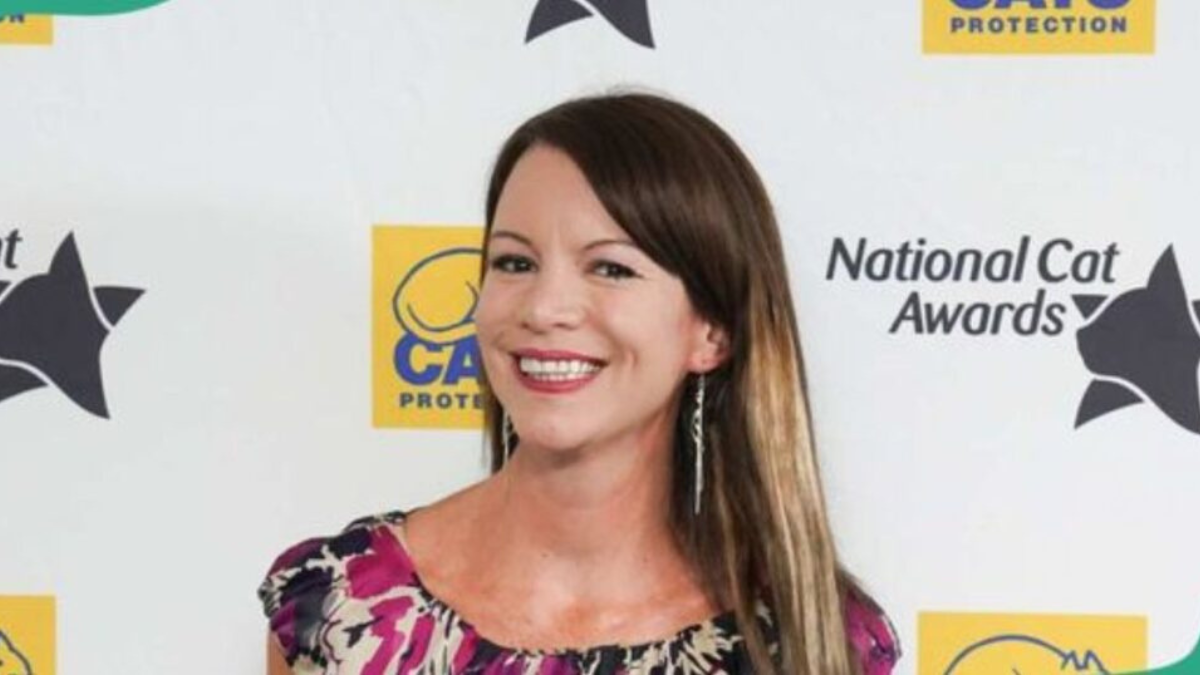
The keyword “elizabeth rizzini disability” has gained steady online interest over recent years, largely driven by public curiosity rather than confirmed information. As a respected broadcast meteorologist and familiar television face, Elizabeth Rizzini has built a strong professional reputation that naturally places her in the public eye. With that visibility comes speculation—especially around personal topics that are rarely addressed directly.
- Who Is Elizabeth Rizzini? A Brief Professional Overview
- Understanding the Origin of “Elizabeth Rizzini Disability” Searches
- Public Figures, Privacy, and Ethical Boundaries
- Disability Representation in Media: Why the Topic Matters
- How Assumptions About Disability Are Formed Online
- Elizabeth Rizzini’s Career Achievements Speak Loudly
- The Difference Between Awareness and Invasion
- Why Accurate Information Matters in SEO Content
- The Role of Media Literacy for Viewers
- Final Thoughts on Elizabeth Rizzini Disability Discussions
- You May Also Read
This article takes a careful, respectful, and factual approach. Rather than spreading rumors or assumptions, it explores why people ask about Elizabeth Rizzini and disability, what is publicly known, and how this discussion connects to wider themes of representation, privacy, and inclusivity in media. Written casually but with expert-level care, this guide aims to inform without crossing ethical lines.
Who Is Elizabeth Rizzini? A Brief Professional Overview
Elizabeth Rizzini is best known for her work as a television weather presenter in the UK. With a calm on-screen presence and clear communication style, she has become a trusted source of daily forecasts for viewers across different regions. Her professionalism, consistency, and confidence have played a major role in her popularity.
She trained as a meteorologist and built her career through years of scientific study and broadcast experience. Weather presenting is not simply reading forecasts—it involves interpreting complex data, explaining it clearly, and adapting messaging for live television. Elizabeth’s success in this demanding role speaks volumes about her expertise and dedication.
Over time, her growing visibility has naturally led to increased public interest in her life beyond the screen. This includes questions about her background, lifestyle, and, more recently, searches related to disability—despite no public statements confirming such claims.
Understanding the Origin of “Elizabeth Rizzini Disability” Searches
Online searches rarely appear out of nowhere. In the case of “elizabeth rizzini disability,” the keyword seems to stem from audience curiosity rather than verified reporting. When someone appears regularly on television, viewers often feel a sense of familiarity, which can blur boundaries between professional and personal life.
In many cases, speculation around disability arises when a public figure displays subtle differences in posture, movement, speech, or behavior—differences that are often entirely normal and unrelated to health conditions. Unfortunately, the internet has a tendency to amplify assumptions without evidence.
It’s important to emphasize that Elizabeth Rizzini has never publicly disclosed having a disability. No credible interviews, official statements, or reliable media sources confirm this topic as part of her personal story.
Public Figures, Privacy, and Ethical Boundaries

One of the most Elizabeth Rizzini Disability important aspects of this conversation is privacy. Public figures, including broadcasters, are not obligated to share medical or personal health information unless they choose to do so. Speculating about disability without confirmation can cross ethical boundaries and unintentionally promote stigma.
Elizabeth Rizzini is known for keeping her private life private. This choice reflects professionalism and personal agency, not secrecy. Respecting that boundary is essential, especially in discussions involving health or disability.
From an expert standpoint, responsible content creation requires separating curiosity from confirmation. Just because a topic is searchable does not mean it is factual—or appropriate to speculate on.
Disability Representation in Media: Why the Topic Matters
While there is no verified information about Elizabeth Rizzini having a disability, the popularity of the keyword highlights something important: people want to see themselves represented in media. Disability visibility has become a meaningful part of modern broadcasting conversations.
Historically, individuals with disabilities were underrepresented or stereotyped in television. Today, audiences are more aware and more hopeful for inclusive representation across all roles—including weather presenters, journalists, and anchors.
The discussion around Elizabeth Rizzini may reflect a broader cultural shift rather than a personal reality. Viewers are increasingly attentive to diversity, accessibility, and inclusion, which is a positive development when handled respectfully.
How Assumptions About Disability Are Formed Online
Search engines often suggest keywords based on user behavior rather than truth. If enough people ask the same question, it becomes a “popular” search—even if it lacks factual grounding. This is how terms like “elizabeth rizzini disability” gain momentum.
Visual media plays a role as well. Television cameras, studio setups, and editing can create perceptions that don’t exist in real life. Minor gestures or presentation styles may be misinterpreted by viewers unfamiliar with broadcast environments.
Experts in media literacy emphasize the need to question why we assume certain things and whether those assumptions are rooted in evidence or bias.
Elizabeth Rizzini’s Career Achievements Speak Loudly
Regardless of speculation, Elizabeth Rizzini’s professional accomplishments are clear and measurable. She performs in a high-pressure, live-broadcast environment that demands accuracy, adaptability, and confidence. These qualities are developed through skill, not circumstance.
Her ability to connect with audiences and deliver complex meteorological information in an accessible way is what defines her career—not personal narratives imposed by outsiders.
Focusing on her expertise rather than unverified personal topics aligns with respectful journalism and responsible SEO content creation.
The Difference Between Awareness and Invasion
Discussing disability in media is valuable when it is led by those sharing their own stories. It becomes problematic when audiences attempt to assign labels without consent. This distinction is crucial.
Awareness should empower, educate, and normalize—not speculate or expose. In Elizabeth Rizzini’s case, there is no indication that disability is part of her public identity, and treating it as such risks misrepresentation.
Experts agree that ethical discussions about disability must prioritize consent, accuracy, and lived experience.
Why Accurate Information Matters in SEO Content
From an SEO perspective, keywords reflect user intent, but content creators have a responsibility to provide clarity rather than amplify misinformation. Addressing the keyword “elizabeth rizzini disability” responsibly means explaining the lack of verified information while offering meaningful context.
This approach benefits readers, builds trust, and aligns with modern search engine quality standards. Google increasingly rewards content that demonstrates expertise, experience, authority, and trustworthiness—especially around sensitive topics.
High-quality content doesn’t just answer questions; it corrects misconceptions.
The Role of Media Literacy for Viewers
Media literacy helps audiences understand how television works and why assumptions can be misleading. Recognizing that presenters are professionals performing a role helps reduce unnecessary speculation about their personal lives.
Elizabeth Rizzini represents a generation of broadcasters who focus on skill and substance. Encouraging viewers to appreciate that professionalism supports healthier conversations online.
As media consumers become more informed, search trends often shift from speculation toward genuine appreciation of talent.
Final Thoughts on Elizabeth Rizzini Disability Discussions
To summarize clearly and responsibly: there is no public or verified information confirming that Elizabeth Rizzini has a disability. The keyword exists due to curiosity, not evidence.
What is clear is her success as a meteorologist, her respected presence on television, and her right to privacy. The broader conversation this keyword opens—about disability visibility, representation, and ethical boundaries—is important, but it should never come at the cost of an individual’s dignity.
