

Application Mobile DualMedia In today’s fast-paced digital world, mobile applications are no longer simple tools with a single purpose. Users expect speed, flexibility, rich content, and seamless performance—all packed into one compact app. This growing demand has given rise to a powerful concept known as application mobile dualmedia. At its core, this approach combines two different media formats or interaction layers within a single mobile application, creating a more immersive and functional user experience.
- Understanding the Core Concept of Application Mobile DualMedia
- Why Application Mobile DualMedia Is Gaining Popularity
- Key Features That Define Application Mobile DualMedia
- Real-World Use Cases of Application Mobile DualMedia
- Benefits of Using Application Mobile DualMedia for Users
- Advantages of Application Mobile DualMedia for Developers and Businesses
- Challenges in Building Application Mobile DualMedia Solutions
- Best Practices for Creating a Successful Application Mobile DualMedia App
- The Future of Application Mobile DualMedia
- Final Thoughts
- You May Also Read
The idea behind application mobile dualmedia is simple yet effective. Instead of relying on one type of content delivery—such as text or video alone—dualmedia apps blend formats like audio and video, text and animation, or interactive visuals with real-time data. This hybrid approach allows developers to design applications that feel dynamic, engaging, and far more intuitive than traditional single-media apps.
As smartphones become more powerful and users become more selective, application mobile dualmedia is quickly turning into a standard rather than a luxury. From education and entertainment to fintech and e-commerce, this model is reshaping how people interact with mobile technology on a daily basis.
Understanding the Core Concept of Application Mobile DualMedia
To truly understand application mobile dualmedia, it helps to break the term into its core components. “Application mobile” refers to smartphone or tablet-based software, while “dualmedia” highlights the use of two complementary media types within the same app environment. Together, they form a system that delivers content in multiple formats without overwhelming the user.
Unlike traditional applications that rely heavily on text or static visuals, dualmedia applications use layered content. For example, a user might read an article while watching an embedded explainer video, or listen to audio commentary while interacting with animated charts. This combination enhances comprehension and keeps users engaged for longer periods.
What makes application mobile dualmedia particularly effective is balance. The goal isn’t to overload the app with media but to strategically pair formats so they support each other. When done correctly, the result is a smooth, responsive experience that feels natural rather than forced.
Why Application Mobile DualMedia Is Gaining Popularity
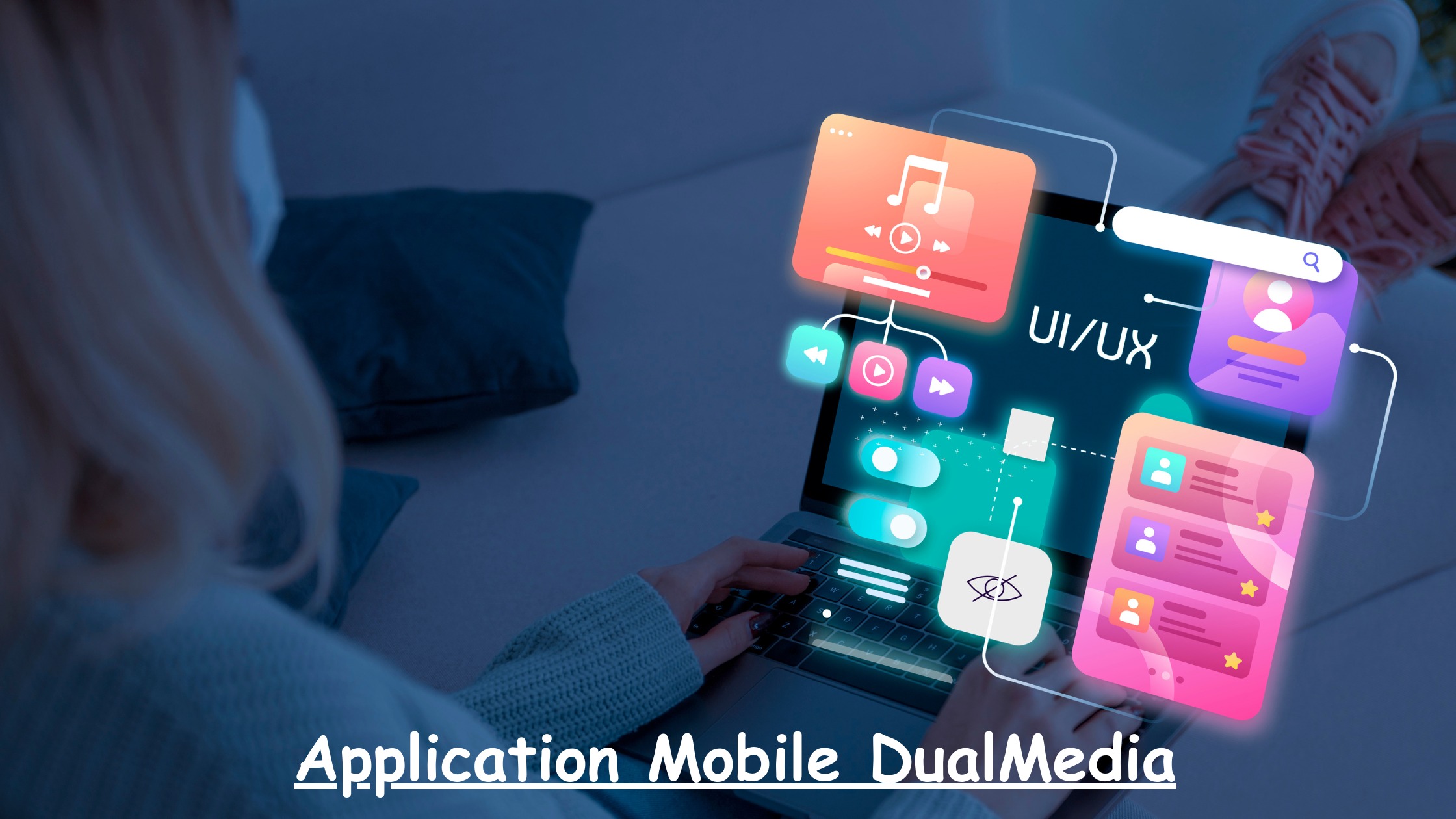
One major reason application mobile dualmedia is becoming so popular is changing user behavior. Modern users multitask constantly and prefer applications that adapt to their preferences. Some users like reading, others prefer watching or listening, and dualmedia apps cater to all of them at once.
Another factor driving adoption is technological advancement. Faster processors, improved graphics rendering, and high-speed mobile internet make it easier than ever to run media-rich applications without performance issues. Developers can now integrate videos, animations, and interactive elements without compromising speed or stability.
From a business perspective, application mobile dualmedia increases engagement and retention. When users spend more time inside an app and find it enjoyable to use, they are more likely to return. This makes dualmedia applications highly attractive for brands, startups, and service providers looking to stand out in competitive app markets.
Key Features That Define Application Mobile DualMedia
A well-designed application mobile dualmedia setup includes several defining features that separate it from ordinary mobile apps. One of the most important features is seamless media integration. Different content types should work together smoothly, without delays or awkward transitions.
Another critical feature is adaptive interface design. Dualmedia applications must adjust layouts based on screen size, orientation, and user behavior. Whether the user is watching a video, reading text, or interacting with visuals, the interface should remain clean and intuitive.
Performance optimization is also essential. Because dualmedia apps handle more data, efficient coding and smart resource management are necessary. The best application mobile dualmedia platforms feel lightweight despite offering rich media experiences, which is a sign of expert-level development.
Real-World Use Cases of Application Mobile DualMedia
One of the most common use cases for application mobile dualmedia is in education. Learning apps often combine video lessons with text explanations, quizzes, and interactive diagrams. This multi-format approach helps users understand complex topics more effectively and caters to different learning styles.
Entertainment is another major area where application mobile dualmedia shines. Streaming platforms blend video content with subtitles, behind-the-scenes audio, interactive polls, and social features. This keeps users engaged beyond passive viewing and transforms entertainment into an interactive experience.
In fintech and business applications, dualmedia is used to simplify complex information. Financial dashboards may include charts, explainer videos, and contextual text guidance, helping users make informed decisions without feeling overwhelmed. This practical application demonstrates how powerful and versatile the dualmedia model can be.
Benefits of Using Application Mobile DualMedia for Users
From a user’s perspective, application mobile dualmedia offers a more personalized and enjoyable experience. Instead of being locked into a single content format, users can consume information in the way that suits them best. This flexibility improves satisfaction and reduces frustration.
Another benefit is improved understanding. When text explanations are supported by visuals or audio, concepts become clearer and easier to remember. This is especially useful for educational, technical, or instructional apps where clarity is essential.
Dualmedia applications also feel more modern and polished. Users often associate rich, interactive media with quality and professionalism, which increases trust in the app and the brand behind it.
Advantages of Application Mobile DualMedia for Developers and Businesses
For developers, application mobile dualmedia opens up creative freedom. Instead of being restricted to one format, they can design layered experiences that tell a story, guide users, or showcase features more effectively. This creative flexibility leads to better app differentiation.
Businesses benefit from higher engagement metrics. Dualmedia apps often see longer session times, lower bounce rates, and improved conversion rates. Whether the goal is selling a product, delivering information, or building a community, dualmedia enhances the overall effectiveness of the app.
Monetization opportunities also expand. With application mobile dualmedia, businesses can integrate ads, premium content, or subscription features in a natural, non-intrusive way. This balanced approach improves revenue without harming the user experience.
Challenges in Building Application Mobile DualMedia Solutions
Despite its advantages, application mobile dualmedia comes with its own set of challenges. One major challenge is performance management. Handling multiple media types requires careful optimization to avoid slow load times or crashes.
Another issue is design complexity. Creating an interface that looks clean while supporting different media formats can be difficult. Poor design choices may result in cluttered screens or confusing navigation, which can negatively impact usability.
Content consistency is also important. All media elements must align in tone, quality, and purpose. If the video feels disconnected from the text or visuals, the entire experience can feel disjointed. Successful dualmedia apps require strong planning and coordination between developers, designers, and content creators.
Best Practices for Creating a Successful Application Mobile DualMedia App
To build a strong application mobile dualmedia experience, developers should start with user intent. Understanding what users want to achieve helps determine which media formats are necessary and how they should interact.
Another best practice is progressive loading. Instead of loading all media at once, apps should prioritize essential content and load additional media as needed. This improves speed and prevents overwhelming the device or the user.
Testing is also critical. Dualmedia applications must be tested across different devices, operating systems, and network conditions. Consistent performance ensures that users enjoy the same quality experience regardless of how or where they access the app.
The Future of Application Mobile DualMedia
Looking ahead, the future of application mobile dualmedia appears extremely promising. As technologies like AI, AR, and real-time personalization evolve, dualmedia apps will become even more intelligent and responsive.
We can expect applications that automatically adapt media formats based on user behavior—offering more video to visual learners and more text to readers. This level of personalization will make mobile apps feel smarter and more human-centric.
Ultimately, application mobile dualmedia represents a shift toward richer, more meaningful mobile interactions. It bridges the gap between functionality and engagement, setting a new standard for what modern mobile applications should deliver.
Final Thoughts
Application mobile dualmedia is not just a trend—it’s a natural evolution of mobile app design. By combining multiple media formats into a single, cohesive experience, it meets modern user expectations while opening new possibilities for developers and businesses alike. As mobile technology continues to advance, dualmedia applications will play a central role in shaping the future of digital interaction.
