

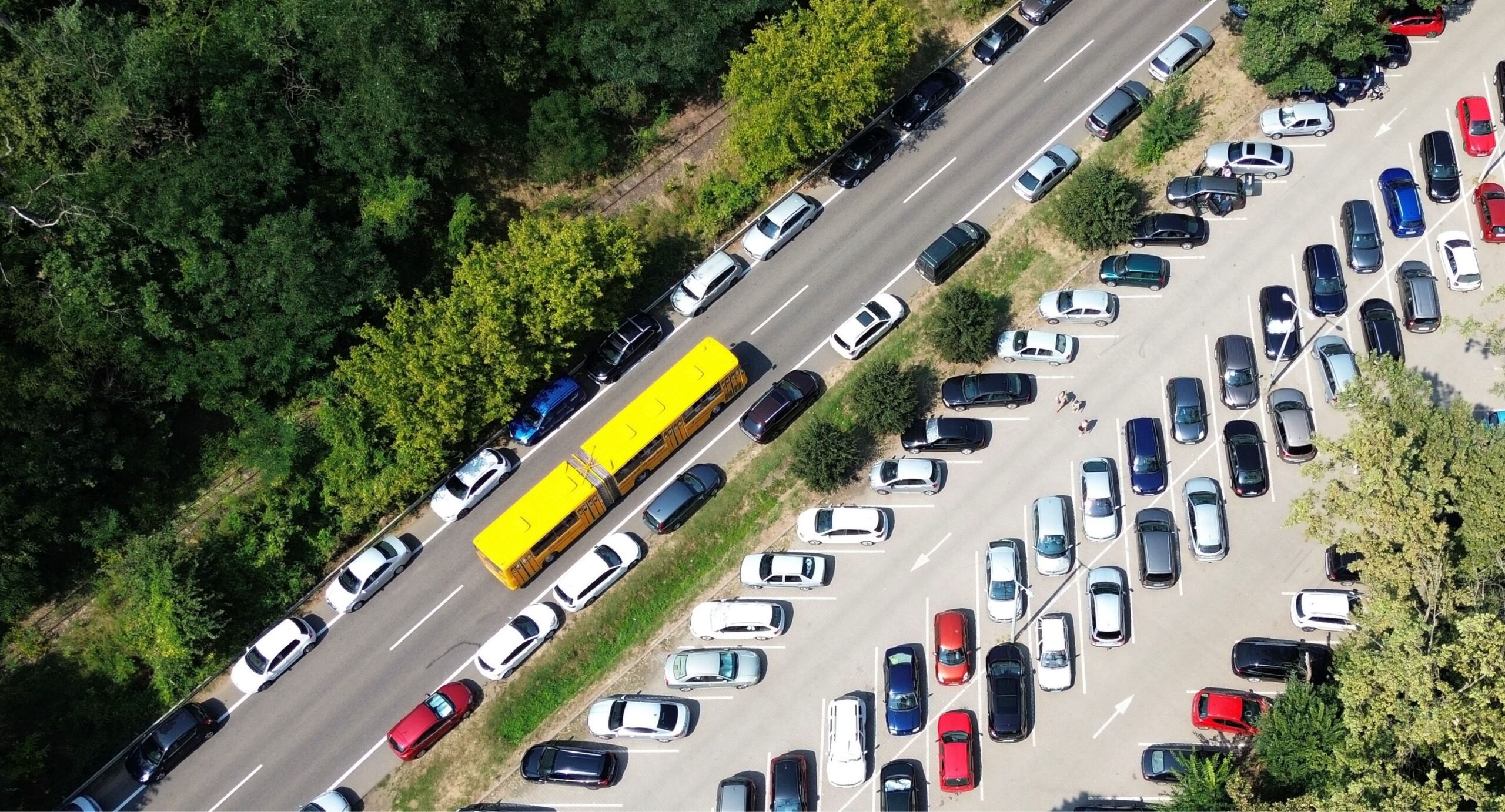
VRR Parking has become one of the most overlooked yet frustrating parts of modern urban life. As cities grow denser and vehicles multiply, finding reliable, affordable, and well-managed parking is no longer a luxury—it’s a necessity. This is where vrr parking enters the conversation as a practical and evolving solution designed to simplify parking for both drivers and property managers.
- What Is VRR Parking and Why It Matters Today
- How VRR Parking Systems Actually Work
- Key Benefits of Using VRR Parking Solutions
- VRR Parking for Commercial and Business Spaces
- Residential Applications of VRR Parking
- Technology and Innovation in VRR Parking
- Common Challenges and How VRR Parking Solves Them
- The Future of VRR Parking Systems
- Final Thoughts on VRR Parking
- You May Also Read
In recent years, vrr parking has gained attention for its structured approach, modern systems, and focus on convenience. Whether you’re a daily commuter, a business owner, or someone managing residential spaces, understanding how vr parking works can save time, reduce stress, and even cut costs. This guide breaks everything down in simple terms while keeping an expert perspective throughout.
By the end of this article, you’ll have a complete understanding of vrr parking—what it is, how it works, its benefits, and why it’s becoming increasingly relevant in today’s fast-paced environments.
What Is VRR Parking and Why It Matters Today
At its core, vrr parking refers to a structured parking management concept that emphasizes regulation, efficiency, and user convenience. Unlike traditional parking setups that rely on manual oversight or outdated systems, vr parking integrates smarter processes to ensure smoother vehicle flow and better space utilization.
One major reason vr parking matters today is urban congestion. Cities are running out of space, and poorly managed parking areas only add to traffic problems. By implementing organized layouts, digital tracking, and clear rules, vr parking helps reduce unnecessary circulation caused by drivers searching for spots.
Additionally, vrr parking plays a role in safety and accountability. With proper monitoring and defined policies, incidents such as unauthorized parking, vehicle damage, or disputes are significantly reduced. This makes it an attractive option for commercial complexes, residential societies, and public areas alike.
How VRR Parking Systems Actually Work
Understanding how vrr parking functions helps clarify why it’s considered a smarter alternative to conventional parking methods. These systems typically rely on structured allocation, signage, and sometimes digital support tools to manage vehicle entry, exit, and space assignment.
In many setups, vr parking uses predefined zones or categories. These zones may be assigned based on duration, vehicle type, or user access. This eliminates confusion and ensures that each vehicle has a clearly designated area, reducing overlap and misuse.
Another key aspect of vr parking is enforcement. Rules are not just written—they are actively maintained. Whether through attendants, automated barriers, or digital records, compliance is monitored to ensure smooth operations. This balance between flexibility and control is what makes Vr parking efficient without being restrictive.
Key Benefits of Using VRR Parking Solutions
One of the most noticeable benefits of vrr parking is time efficiency. Drivers spend less time searching for spots, which directly improves daily productivity. Over time, this also contributes to reduced fuel consumption and lower emissions.
Cost optimization is another strong advantage. For property owners or facility managers, vrr parking allows better utilization of available space. Instead of expanding parking areas—which is often expensive or impossible—existing spaces are managed more effectively, generating better returns.
Lastly, user experience improves significantly. Clear signage, organized layouts, and predictable parking availability create a stress-free environment. When people know what to expect, parking becomes a smooth part of their journey rather than a daily frustration.
VRR Parking for Commercial and Business Spaces
Commercial properties benefit greatly from vrr parking, especially in high-traffic areas. Shopping centers, office buildings, and business hubs all rely on smooth vehicle flow to maintain customer satisfaction and operational efficiency.
In business settings, vr parking helps control peak-hour congestion. With structured entry and exit points, vehicles move more smoothly even during rush hours. This improves the overall perception of the business and encourages repeat visits.
From an operational standpoint, businesses can also use vrr parking data to analyze usage patterns. Understanding when parking demand is highest allows better planning, staffing, and even pricing strategies for premium spaces.
Residential Applications of VRR Parking
Residential communities face unique parking challenges, and vrr parking offers a practical solution. Limited space, guest parking conflicts, and unauthorized vehicles are common issues that structured parking systems address effectively.
With vr parking in residential areas, residents often receive designated spaces while guest parking is clearly defined. This prevents disputes and ensures fairness among residents. Clear rules and consistent enforcement create a more harmonious living environment.
Additionally, residential vrr parking enhances property value. Well-managed parking is a strong selling point for buyers and renters, making it a worthwhile investment for housing societies and apartment complexes.
Technology and Innovation in VRR Parking
Modern vrr parking is increasingly supported by technology. While the core concept focuses on structure and regulation, digital tools elevate efficiency to the next level. These may include automated gates, digital permits, or real-time occupancy tracking.
Technology also improves transparency. Users can understand parking rules, availability, and restrictions more clearly, reducing misunderstandings. For managers, digital systems provide accurate records and insights into parking behavior.
As smart cities continue to develop, vrr parking is expected to integrate even further with mobile apps and urban infrastructure. This evolution ensures that parking keeps pace with broader technological advancements.
Common Challenges and How VRR Parking Solves Them
Parking problems are universal, but vrr parking is designed specifically to address them. One common issue is overcrowding, which often results from poor planning. By allocating spaces efficiently, vr parking minimizes bottlenecks.
Another challenge is misuse of parking areas. Unauthorized vehicles or long-term parking in short-term zones can disrupt flow. Vr parking solves this through clear policies and consistent monitoring.
Finally, lack of communication often leads to confusion. Vrr parking emphasizes visibility—clear signs, defined zones, and understandable rules—so users always know where they stand.
The Future of VRR Parking Systems
The future of vrr parking looks promising as urban environments continue to evolve. With increasing vehicle ownership and limited space, structured parking solutions will become even more essential.
Sustainability is also shaping the future. Vr parking can support eco-friendly initiatives by reducing idle driving and integrating electric vehicle charging zones. This aligns parking management with global environmental goals.
Ultimately, vr parking is not just about vehicles—it’s about smarter space management. As cities and communities prioritize efficiency, safety, and user experience, vr parking will remain a key part of modern infrastructure.
Final Thoughts on VRR Parking
In today’s fast-moving world, parking should not be a daily struggle. Vrr parking offers a balanced approach that combines organization, convenience, and adaptability. Whether applied to commercial spaces, residential areas, or public facilities, its benefits are clear and measurable.
What sets vr parking apart is its focus on structure without complexity. It simplifies parking for users while giving managers better control and insight. This dual advantage makes it a reliable long-term solution rather than a temporary fix.
As demand for efficient parking continues to rise, understanding and implementing vrr parking can make a meaningful difference. It’s not just a system—it’s a smarter way to manage space in an increasingly crowded world.
